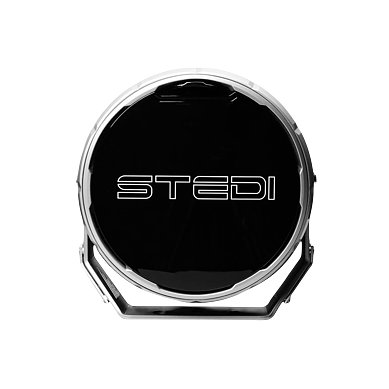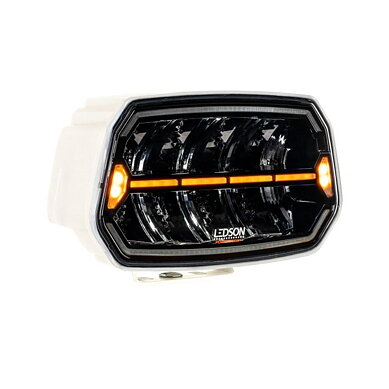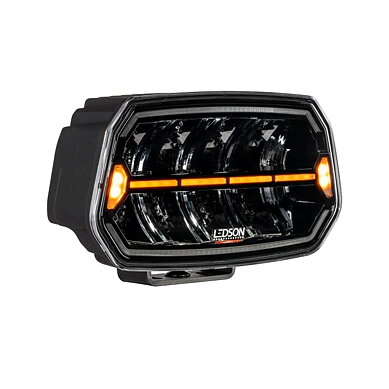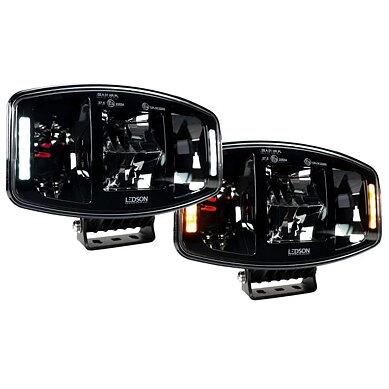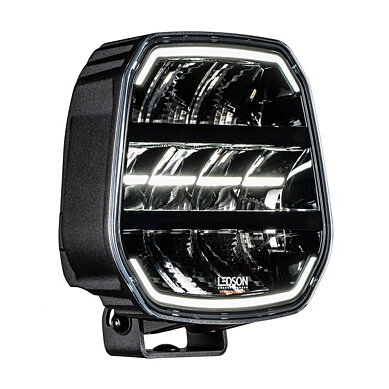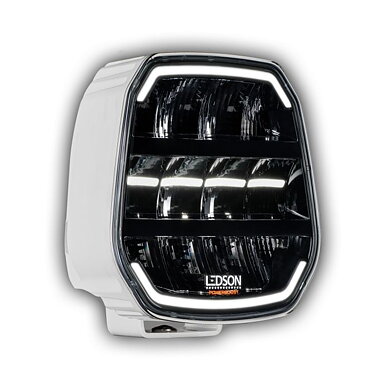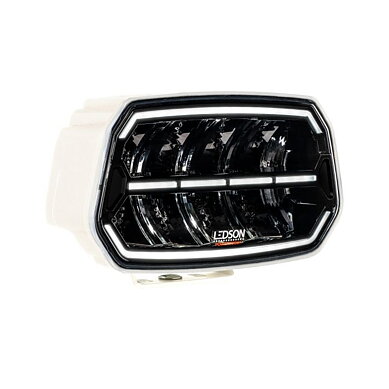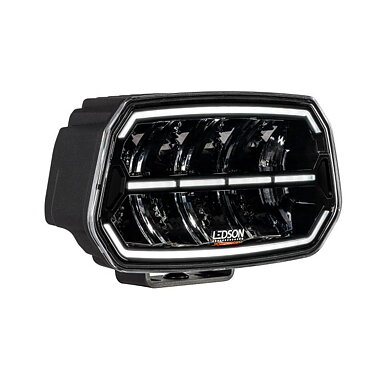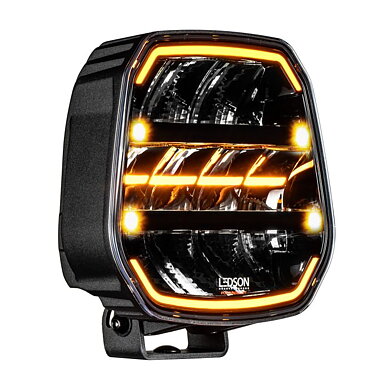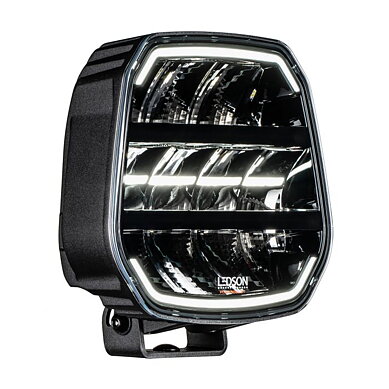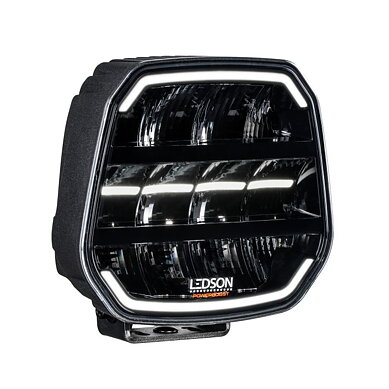

Auxiliary Lights for car
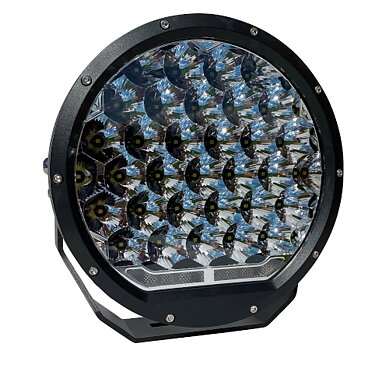
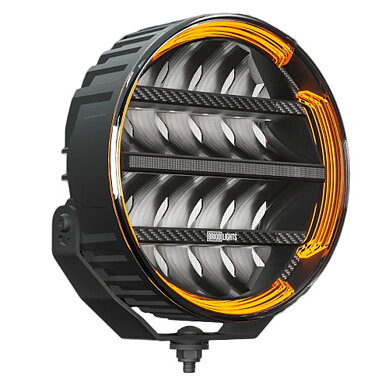
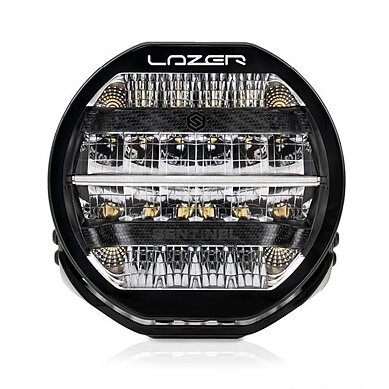
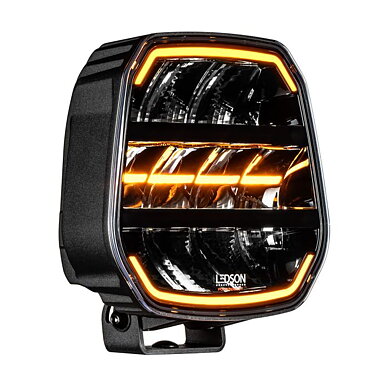
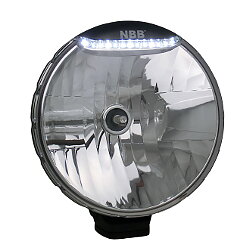
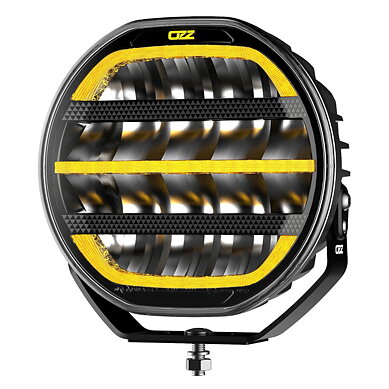
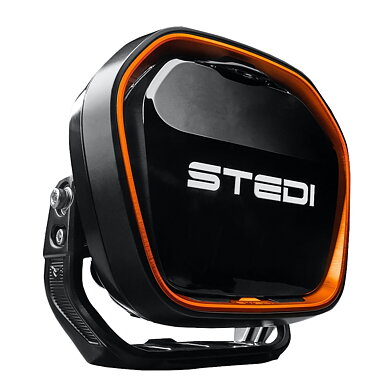
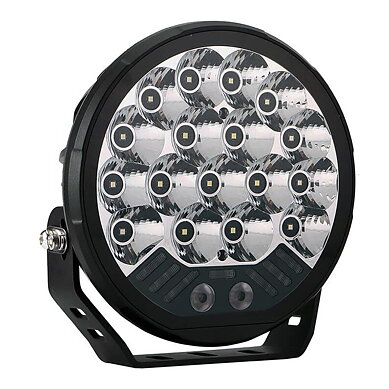
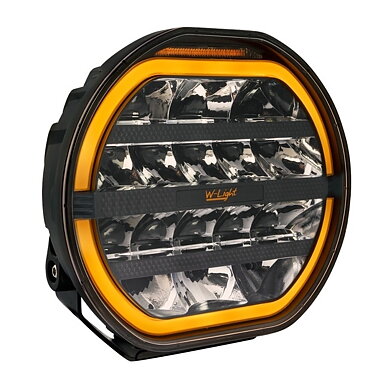
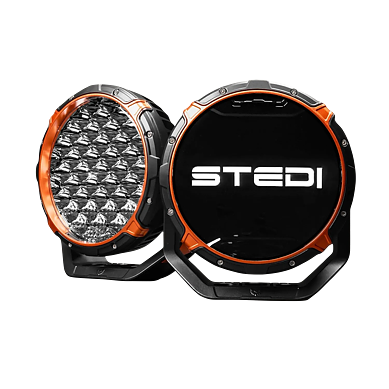
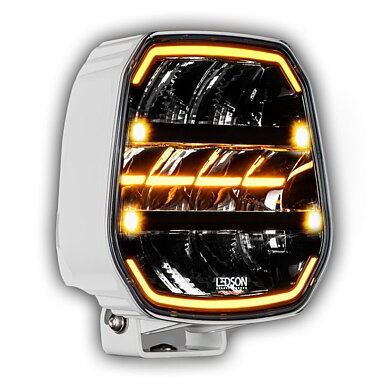
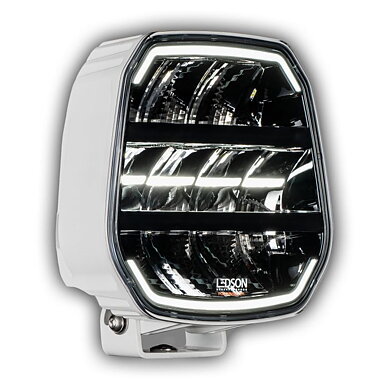
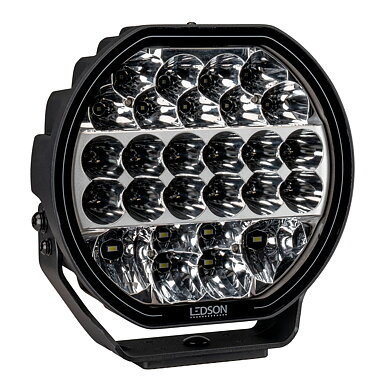
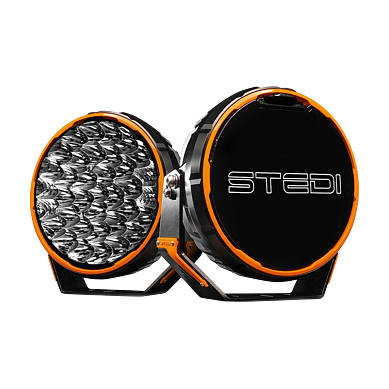
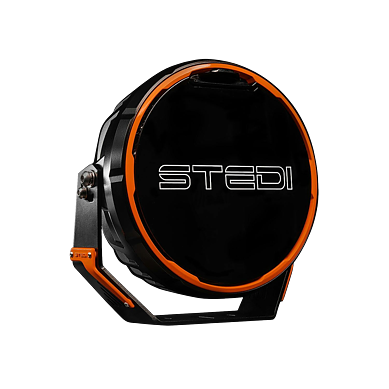
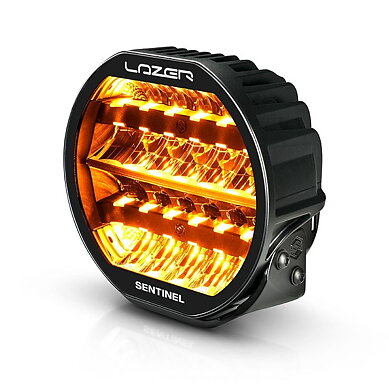
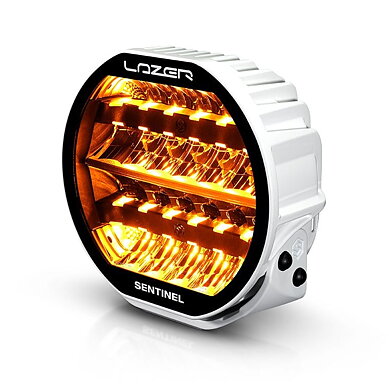
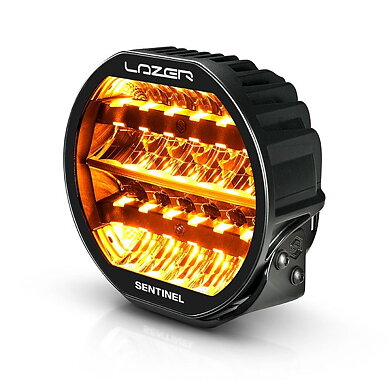
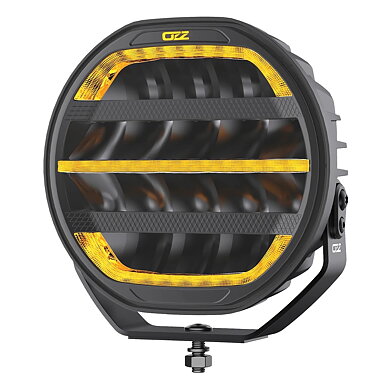
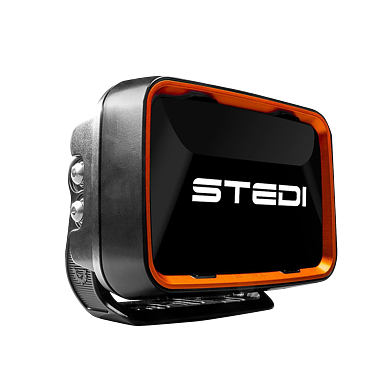
Are you finding that your vehicle's high beams aren’t sufficient on dark roads? Then it’s time to upgrade with auxiliary driving lights that provide longer reach, a wider beam pattern, and increased road safety. We are experts in automotive lighting and offer a wide range of LED driving lights at great prices from top brands such as Stedi, Lazer, Avelux, NBB, OZZ and more.Driving Lights for Cars – Better Visibility and Safer Night Driving
With powerful driving lights for your car, you’ll improve both safety and driving comfort in darkness, fog, or on rural roads. Our driving lights equipped with modern LED technology deliver a beam that’s both wider and longer than traditional halogen lights. You'll detect animals, pedestrians, cyclists, and obstacles earlier – making a real difference in reaction time and traffic safety. Choose from round driving lights, LED bars, and complete kits with or without E-certification. Whether you drive a passenger car, SUV, van, or off-road vehicle, we have the right high-beam auxiliary lights to keep you safe in the dark.Accessories for Driving Lights – For Mounting, Control, and Stability
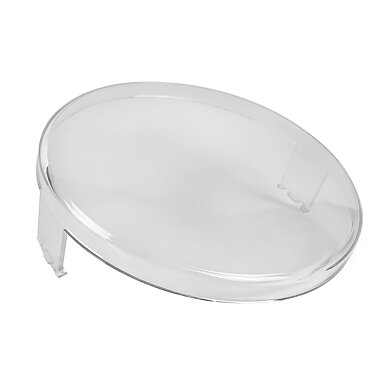
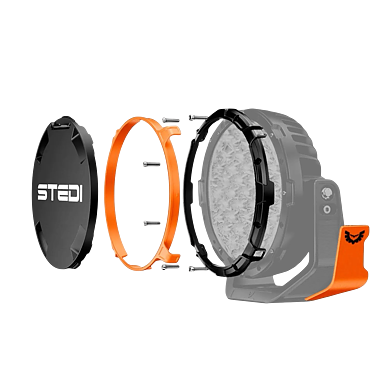
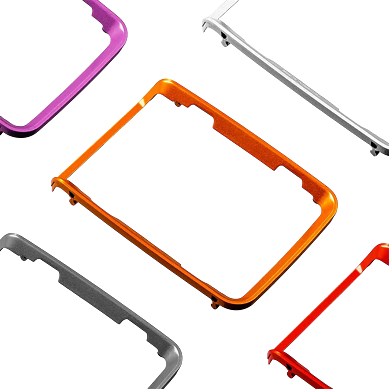
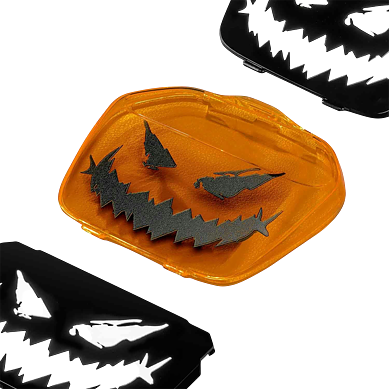
Whether you're using LED, halogen, or xenon – the right accessories for your driving lights are essential for safety, performance, and a clean installation. With us, you’ll find everything you need: from mounting brackets and grille guards to stabilizer bars, relay harnesses, and CAN adapters. We offer universal and vehicle-specific brackets that fit most cars, SUVs, vans, and trucks. Our relay and power cables are designed for both 12V and 24V systems, featuring waterproof connectors for easy and secure connection to your lights. LED driving lights are now the most popular choice thanks to their high brightness, low power consumption, and long lifespan. To get the most out of them, the right accessories are key. We supply plug & play relay kits with DT connectors, vehicle-specific CAN adapters, as well as brackets and rail systems suitable for both round and bar-style LED lights. Complete your installation with stabilizer bars to reduce vibrations and protect your lamps. We also offer lens covers, filters, and dust shields to maintain light quality and improve durability under harsh driving conditions. Explore our wide selection of driving light accessories – everything you need for a complete and secure setup.Good to know about LED auxiliary lights
Car lighting and auxiliary lights - past and present
It's hard to believe, but once upon a time car lighting was a strictly functional function. With mostly small round lights that barely allowed you to see and be seen in the dark! In contrast, today's car lighting represents high-tech lighting and cutting-edge design. Both original car lights and small aftermarket replacement car lights incorporate the latest in brilliant lighting technology such as LED diodes and lasers. These lights must integrate with the bodywork in such a distinctive way that the light becomes part of the vehicle's identity. Take a few minutes to review the range of car lighting products and auxiliary lights for the car that we have to offer and you'll quickly see that we have the latest in lighting.
LED Conversion Kit
Fog Light
Reverse Light
Flash Warning Light
Warning Light
LED Light Bar etc.
Extra light for better visibility
Driving at night on dark country roads can be challenging, inside the city at least you have the benefit of some helpful light from the street lights and the light from other cars to help you stay on track. Back roads out in the countryside or on really small roads inside the woods at night are much more treacherous. Better auxiliary lights should be bright enough to keep you out of danger and tough enough to withstand wear and tear is a given for us. Our extra lights deliver powerful light that turns night into day, and they're highly rugged to handle the toughest rigors you can imagine. Whether you're just looking to replace an incandescent bulb, convert to xenon, or want to upgrade to bright LED exterior lights or custom lighting options, we've got the extralights you're looking for! In addition, we can offer you many other ways you can enhance your vehicle's original lighting to increase illumination and adapt to your particular style, for example:LED Conversion Kit
Fog Light
Reverse Light
Flash Warning Light
Warning Light
LED Light Bar etc.
Think about the wear and tear on your small auxiliary lights
Fresh car headlights and auxiliary lights are essential for driving safety but age, abrasion from air particles, impact, ice, snow and UV rays wear and dull the lenses, making them foggy, speckled and even damaged. Our rectangular and round auxiliary lights come only from the market-leading manufacturers and meet the stringent requirements we in the Nordic countries have for our lights. There is probably no other country that has as much experience with extra lighting on cars and trucks as Sweden, so don't hesitate to use the chance to upgrade your vehicle's lighting and appearance. We have extra lights in halogen, xenon and LED, large and small extra lights, LED light ramps from a few decimetres to well over a metre that make your car or truck more visible but most importantly that you can see far and wide.Different light patterns
Driving
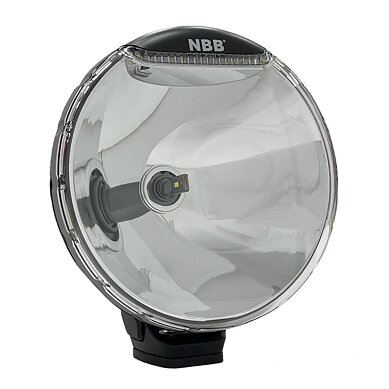
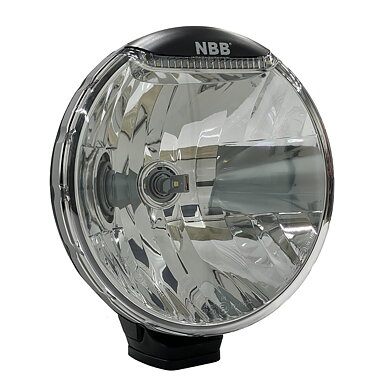
Designed to give a light pattern similar in character to the car's normal high beam, forming a beam that is longer and wider. Driving lamps are very useful for illuminating the side of the road and in front of the vehicle.
Pencil
Penetrate deep into the night and have a long reach, providing a tighter, more focused circular beam of light to see the road far on the horizon even at very high speeds. These lights create an extremely bright and centered light pattern. Pencil is typically used on trucks and in rallying, but also by regular drivers living in areas where there is less traffic and long straight stretches that allow the extra length that pencil provides to be utilized.
The difference in the length of the beam between the main beam and the pencil is about 100%, a pencil shines about twice as far as a main beam. But it should also be remembered that there is a big difference in width as well. If you mount 2-3 pencils, you will not see anything on the side of the road for the first 500 meters.
The most common combination for mounting three extra lights has always been two remotes and a pencil in the middle, with the driving angled out a few degrees. But just because it's been right throughout the ages doesn't mean it's right today! For example, if you fit 3 NBBs with 60W xenon or the bestseller in LED exterior lights, the Avelux Summit Pro, you will see just over a kilometer with just the high beams. So you don't need a pencil because it shines that far anyway, and you get a better width of light and detect if something is approaching the road at the right time.
The reference number is also something that affects the light image, a high beam with Ref.40 shines narrower and longer than a high beam with Ref.25. A change in the ECE rules a few years ago makes Ref.50 the maximum allowed reference number against previously 37.5. Then the size of a headlamp also affects the light pattern itself - the bigger the headlamp, the bigger the light pattern you get!
Designed to give a light pattern similar in character to the car's normal high beam, forming a beam that is longer and wider. Driving lamps are very useful for illuminating the side of the road and in front of the vehicle.
Pencil
Penetrate deep into the night and have a long reach, providing a tighter, more focused circular beam of light to see the road far on the horizon even at very high speeds. These lights create an extremely bright and centered light pattern. Pencil is typically used on trucks and in rallying, but also by regular drivers living in areas where there is less traffic and long straight stretches that allow the extra length that pencil provides to be utilized.
The difference between remote and pencil
The light pattern of an auxiliary light is controlled by the design of the reflector or glass. Models called driving provide a light pattern similar in character to the car's regular high beam, but longer and wider because an auxiliary light has a higher output and provides more light and lumens than the original high beam fitted. Pencil gives a long and narrow beam.The difference in the length of the beam between the main beam and the pencil is about 100%, a pencil shines about twice as far as a main beam. But it should also be remembered that there is a big difference in width as well. If you mount 2-3 pencils, you will not see anything on the side of the road for the first 500 meters.
The most common combination for mounting three extra lights has always been two remotes and a pencil in the middle, with the driving angled out a few degrees. But just because it's been right throughout the ages doesn't mean it's right today! For example, if you fit 3 NBBs with 60W xenon or the bestseller in LED exterior lights, the Avelux Summit Pro, you will see just over a kilometer with just the high beams. So you don't need a pencil because it shines that far anyway, and you get a better width of light and detect if something is approaching the road at the right time.
The reference number is also something that affects the light image, a high beam with Ref.40 shines narrower and longer than a high beam with Ref.25. A change in the ECE rules a few years ago makes Ref.50 the maximum allowed reference number against previously 37.5. Then the size of a headlamp also affects the light pattern itself - the bigger the headlamp, the bigger the light pattern you get!
Mounting of Auxiliary Lights
Fitting auxiliary lights to your car is the most effective way of enhancing your car's normal highbeam, and if you enjoy tinkering with your car and are a bit handy, you can do the work yourself. Installation can be done in many different ways and the first thing to consider is the type of car you have and what the front end looks like. Is it high or low, does the hood go down to the bumper, is there something solid to attach the lights to, is it a newer or older car...? Here you can read our guide on how to install auxiliary lights.
Cars with canbus
Many modern cars have Canbus, i.e. computers connected in a network that control many different functions including the headlights. In a car with Canbus, you cannot always connect a relay set with control via the high beam, you need to use an XBB Dongle & PowerUnit to get the high beam signal out. The communication is completely wireless via Bluetooth and you don't have to look for Canbus cables or pull a cable through the fire wall out into the engine compartment or similar, is by far the best-selling solution in recent years.
Auxiliary Light test
We test all the extra lights we include in our range and only the best meet our tough requirements for light, materials and performance. Many manufacturers and suppliers want us to sell their products but far from all of them pass our rigorous tests!
The one who has sent us the product has usually also sent us information about the light with details on what the light pattern should be, how much it draws, how far it shines at one lux etc. We then hook up the light in our lab and measure how much it draws and check if it matches the information we received - usually it doesn't! We measure how many meters we get at one lux, that's not often right either. There can be extreme differences between the information we have been given and what it performs in reality. Almost daily we see shops in Sweden selling these products that we have thrown in the bin, they claim it draws seven hundred and forty eleven watts and gives fifty thousand lumens, sad but true!
We play with the idea that the light, or whatever it is we are testing, is up to scratch and that the data is correct. We then go on to check the light pattern. Many times it can be the case that the manufacturer states, for example, that an LED auxiliary light has the pencil light image, but when we measure it, it turns out that the angle of spread is 30 degrees and then it is more like an LED uxiliary light with a driving beam. Everything can be right and good except for this and then we can add the product to our range, but we can't sell it to our customers as a "pencil" and will refer to it as a "driving" in the product name and description.
If everything is still good and we feel that the light can fill a gap in the product range or replace a light that is about to stop being produced, then we mount three of them on one of our cars and use the stuff in the real world. What may come out in these real-life tests may be, for example, that the paint or coating is not up to scratch. Can the product withstand road salt? Because it won't look good if the paint comes off and the salt destroys the aluminium, which is unfortunately a fairly common problem with cheap products from Asia. But if even this test turns out well, it's an light that we can order home and launch for next season and you as a customer can feel confident that you have bought a product that matches the data that we present and that it can withstand our climate.
How we do our remote light testing
The first thing we do when we receive a sample of a new or updated product is just look, feel, squeeze and review. Feeling the surface, the material, the cable inputs, the connectors, the lens, tapping, pulling and tearing at the stuff so you get a feel for what it is.The one who has sent us the product has usually also sent us information about the light with details on what the light pattern should be, how much it draws, how far it shines at one lux etc. We then hook up the light in our lab and measure how much it draws and check if it matches the information we received - usually it doesn't! We measure how many meters we get at one lux, that's not often right either. There can be extreme differences between the information we have been given and what it performs in reality. Almost daily we see shops in Sweden selling these products that we have thrown in the bin, they claim it draws seven hundred and forty eleven watts and gives fifty thousand lumens, sad but true!
We play with the idea that the light, or whatever it is we are testing, is up to scratch and that the data is correct. We then go on to check the light pattern. Many times it can be the case that the manufacturer states, for example, that an LED auxiliary light has the pencil light image, but when we measure it, it turns out that the angle of spread is 30 degrees and then it is more like an LED uxiliary light with a driving beam. Everything can be right and good except for this and then we can add the product to our range, but we can't sell it to our customers as a "pencil" and will refer to it as a "driving" in the product name and description.
If everything is still good and we feel that the light can fill a gap in the product range or replace a light that is about to stop being produced, then we mount three of them on one of our cars and use the stuff in the real world. What may come out in these real-life tests may be, for example, that the paint or coating is not up to scratch. Can the product withstand road salt? Because it won't look good if the paint comes off and the salt destroys the aluminium, which is unfortunately a fairly common problem with cheap products from Asia. But if even this test turns out well, it's an light that we can order home and launch for next season and you as a customer can feel confident that you have bought a product that matches the data that we present and that it can withstand our climate.